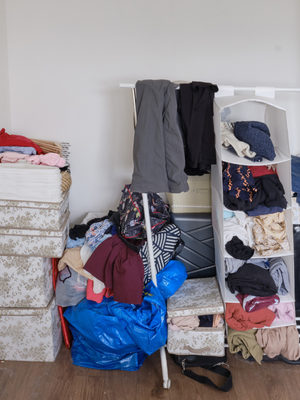
We tend to think of clutter as an aesthetic problem. Things look messy, so we feel a little embarrassed. We’ll deal with it when we have more time.
But clutter costs more than we often realize.
Every unresolved pile is an open loop in your brain. Every item that doesn’t have a home pulls at your attention — even when you’re not looking at it. Research tells us that visual clutter elevates cortisol, increases decision fatigue, and makes it harder to focus and rest.
In other words: the stuff costs you energy. Every day.
Try this:
This week, just notice. Pick one space in your home or office and sit with it for a moment. Without judgment, ask: how does this space make me feel? Calm? Anxious? Overwhelmed? Invisible weight?
You don’t have to do anything yet. Awareness is the first step. And noticing is not the same as failing.
When you’re ready to act, even one small change in that space can shift how your whole body feels in it. That’s not clutter talk — that’s neuroscience.
A deep breath and a small step,